GRE test day at a test center has no scheduled breaks: the exam runs straight through in 1 hour and 58 minutes across an Analytical Writing section, two Verbal Reasoning sections, and two Quantitative Reasoning sections.
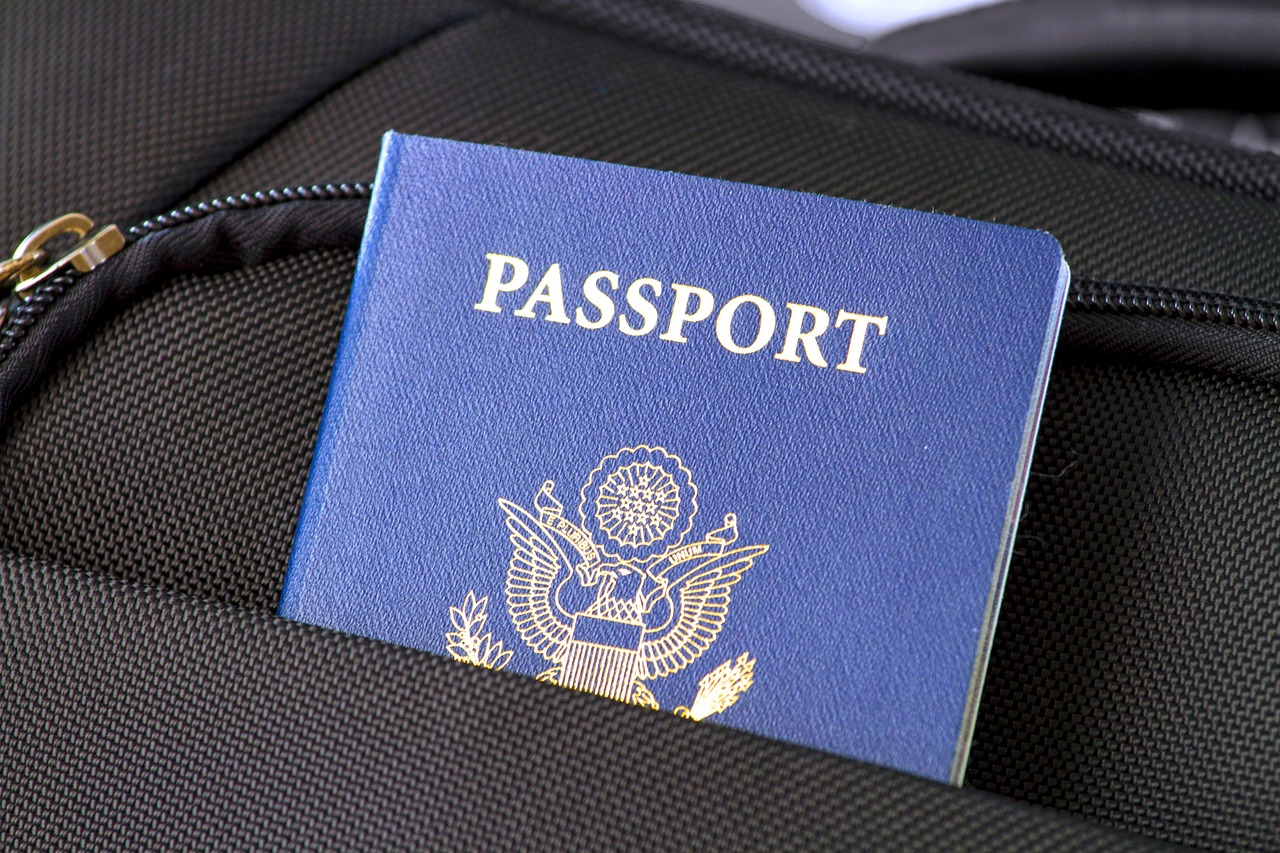
Bring one accepted photo ID, such as a passport, a physical driver's license, or a national ID card, showing your exact legal name, a recent photo, and your signature. Phones, tablets, smartwatches, smart glasses, and personal notes stay out of the testing room. Test center staff hand out scratch paper at check-in and collect every sheet at the end. Raise your hand to leave your seat or to report a computer problem, since the section clock keeps running.
GRE test day at a test center follows a fixed set of rules from ETS, and a small mistake with your ID or your bag costs you the appointment. This guide covers the accepted ID documents, the check-in and security screening steps, the items you have to leave at home, the scratch paper and calculator setup, the break policy, and what to do if the computer fails. The rules below come from the ETS GRE Information Bulletin, in effect from July 1, 2026 through June 30, 2027.
Finish GRE registration before you plan your route to the test center, since your ID name has to match your registration exactly. If you prefer to skip travel entirely, compare these rules against the GRE at-home testing option, which uses a different ID and room-check process.
Accepted ID and ID Requirements
Test centers accept a limited set of primary ID documents, and each one has to meet ETS's format rules exactly, per the GRE Information Bulletin.
Accepted Photo ID Documents
Bring one of the following primary photo ID documents.
- Passport
- Passport card (US only), paired with a supplemental ID
- Driver's license, a physical card, not a mobile driver's license
- State or province ID card
- National ID card
- Military ID, accepted at physical test centers only, paired with a supplemental ID or photo if it carries no signature
ID Requirements ETS Checks
Beyond the document type, staff check each ID against a set of format rules at check-in.
- An original, physical document, not a photocopy and not shown on a phone or other electronic device (the Republic of Korea allows some digital IDs)
- Issued by a government and recognized in your country of citizenship or residence
- Valid, not expired
- Your exact first and last name as entered at registration, with accents excluded
- A recent, recognizable photo
- Your signature
IDs ETS Rejects
Staff turn away several document types at the door, even ones carrying a photo.
- Photocopied or expired IDs
- Damaged IDs, including hole-punched or corner-cut cards
- Any ID shown on a phone or other electronic device, outside the Korea exception
- International driver's licenses and mobile driver's licenses
- Draft classification cards and international student IDs
- Credit or debit cards
- Notary-prepared letters, birth certificates, and Social Security cards
- Employee IDs and temporary IDs, except temporary driver's licenses, resident cards, or employment authorization renewals
- Diplomatic, consulate, or embassy IDs
- Aadhaar cards
Check-In and Security Screening
Check-in at the test center follows a fixed sequence, and every test taker goes through the same screening, per ETS.
- Staff take your photo.
- You sign a confidentiality and testing regulations agreement.
- Staff sometimes record a voice sample.
- Staff sometimes ask you to empty your pockets, raise your pant legs above the ankle, pull your sleeves above the wrist, and remove your eyeglasses for inspection.
- Staff scan you with a hand-held metal detector wand.
You are allowed to ask for same-sex staff during the inspection. You are also allowed to ask for a private inspection area instead of the open check-in desk. The test center is not required to grant either request, and staff do not remove your footwear unless they suspect it hides an unauthorized aid.
Prohibited and Restricted Items
ETS splits personal items into two groups: items barred from the testing room outright and items staff inspect at the door.
Items Banned From the Testing Room
ETS bans a long list of personal items from the room, and getting caught with one puts your score at risk.
- Phones, tablets, wearable technology, watches, and smart glasses
- Any other electronic, recording, listening, scanning, or photographic device
- Jewelry, except a wedding or engagement ring
- Food, beverages, tobacco, and e-cigarettes
- Weapons and firearms
- Personal calculators
- Test-related notes written on your clothing, footwear, ID, or body
Items Test Staff Inspect
A second group of items is not banned outright, but staff check each one before letting it into the room.
- Hair accessories
- Ties
- Hats and scarves
- Outerwear
Staff are allowed to keep any of these items out of the room after inspection, so pack light and dress plainly for test day.
Scratch Paper and the On-Screen Calculator
Test center staff hand you scratch paper at the start of the session, and you are not allowed to touch it before the test starts or during a break.
- Ask staff for more scratch paper if you fill every sheet, and hand back the used sheets to get a fresh set.
- Leave every sheet in the room: removing even one page breaks the rules.
- Return all scratch paper to staff at the end of your session.
An on-screen calculator is built into the Quantitative Reasoning sections of the General Test, so plan your scratch work around it. A personal calculator stays banned from the room unless ETS approves one as an accommodation. Subject Tests do not include an on-screen calculator at all.
Break Policy and Leaving Your Seat
The GRE General Test, under the structure in place since September 22, 2023, includes no scheduled breaks, and GRE Subject Tests run the same way. The exam moves straight from one section to the next across 1 hour and 58 minutes of testing time.
The table below lists the section timing and question counts. Analytical Writing always comes first, and the four Verbal Reasoning and Quantitative Reasoning sections arrive in any order after it, per the ETS General Test structure page.
| Section | Time | Questions |
|---|---|---|
| Analytical Writing | 30 minutes | 1 task |
| Verbal Reasoning, 12-question section | 18 minutes | 12 |
| Verbal Reasoning, 15-question section | 23 minutes | 15 |
| Quantitative Reasoning, 12-question section | 21 minutes | 12 |
| Quantitative Reasoning, 15-question section | 26 minutes | 15 |
Raise your hand if you have to leave your seat during the test. Section timing keeps running while you step away, so an unscheduled break eats into your time on the clock.
During an unscheduled break, your personal items stay out of reach except food, drinks, or medication, where those are allowed, and phones or other electronics stay off-limits the whole time. Repeated or long unscheduled breaks count as a violation unless ETS approved them as an accommodation, and staff are allowed to dismiss a test taker over it.
The test center videotapes the full session, and you have to stay inside the building or its immediate area from sign-in to sign-out. Ask permission before leaving the testing room, including a trip to the restroom.
What to Do About a Technical Problem
Raise your hand if the computer freezes or you need the administrator for any other reason during the test. If a technical problem at the test center forces a cancellation, or your scores end up impossible to report, ETS offers a free retest or a full refund of your original fee. Contact GRE Services within 30 days of your original appointment to also ask about reimbursement for reasonable, documented travel expenses.
Before You Go
Run through a full-length, timed session before your real appointment so the pacing and the lack of breaks stop being a surprise. Our GRE practice tests are free, need no signup, and mirror the section timing and question counts above.
Sources
Free practice
Put this into practice with free GRE mock tests and topic drills

Written by
Muntasir Minhaz
Runs 10Exam. Still loses to the SAT timer now and then, strictly for research.
All articles by Muntasir Minhaz →Related Articles
GRE vs No-GRE: Test-Optional Grad Programs
More graduate programs now let you skip submitting a GRE score, but optional does not mean the score is worthless. Submit a strong...
Aug 06, 2026
GRE for CS and Engineering Programs
ETS reports a mean Quantitative Reasoning score of 161 for test takers naming Computer Science as their intended major, with a Ver...
Aug 05, 2026
GRE for MBA Admissions
Most business schools now accept the GRE instead of requiring the GMAT. ETS reports 92 percent of business schools accept GRE scor...
Aug 05, 2026
GRE Reading Comprehension: Supporting Detail and Structure
Supporting-detail questions ask you to confirm one fact the passage states directly. Sentence-function questions ask why a sentenc...
Aug 04, 2026
GRE Reading Comprehension: Inference and Critical Reasoning
GRE Reading Comprehension tests two reasoning skills beyond plain reading: inference, naming a conclusion the passage implies with...
Aug 04, 2026
GRE Reading Comprehension: Main Idea and Author's Tone
Main idea and author's tone questions ask what a GRE Reading Comprehension passage is doing as a whole, not what one sentence says...
Aug 03, 2026