Arrive at the test center by the time on your admission ticket, often 7:45 a.m., with a valid photo ID and a fully charged device. The digital SAT takes 2 hours and 14 minutes across four modules: Reading and Writing Module 1 and 2, then Math Module 1 and 2, with 98 questions total. One 10-minute break falls between Reading and Writing and Math, not between modules within a section. Approved calculators work only during Math. Phones, smartwatches, and wireless earbuds stay out of the testing room once you check in.
Test day for the digital SAT follows a fixed script: check-in, ID verification, device setup, four timed modules, and a single break. Knowing this sequence before you arrive removes the guesswork on the morning of the test. Two things need to be right before you leave home: your photo ID and a fully charged device.
This checklist covers what College Board requires you to bring, what stays out of the testing room, and how the morning unfolds from check-in through your final Math module. It also lays out the four modules, their timing, and the one break. Every rule below comes from College Board's official test day pages. Use it as a packing list the night before and as a timeline on the morning itself.
What to Bring on Test Day
Test day items fall into three groups: required documents, your device, and optional extras. Missing any required item at check-in puts your test at risk. Pack the required documents first, then your device and its charger, then the extras. Setting the bag by the door the night before keeps check-in stress low.
Admission Ticket and Photo ID
Bring your admission ticket to the test center. A printed ticket is preferred, though showing it on a mobile device works as an alternative. A printed copy also keeps you independent of your phone, since phones get handed in at check-in. Set the ticket aside with your ID the night before so both leave the house together.
Your photo ID must be an original physical document, not an electronic copy or photocopy. The ID needs a recent, recognizable photo matching your registration photo and your appearance on test day. Your full legal name on the ID has to match the name on your admission ticket.
Accepted ID types depend on your age on test day.
| Age | Accepted ID |
|---|---|
| Under 21 | Government-issued driver's license or non-driver ID, current school-issued student ID, government passport or U.S. Global Entry card, government military or national ID, or an SAT Student ID Form prepared by a school or notary for homeschooled students |
| 21 and older | Only an official government-issued photo ID, such as a driver's license or passport |
Your Testing Device and Charging
College Board requires your device to arrive fully charged and able to hold a charge for 3 to 4 hours. The device has to stay powered for roughly 3 hours of testing, so plan for a 3 to 4 hour charge rather than a quick top-up before you leave home. Charge it overnight and unplug it in the morning.
A charging cable or portable charger is an optional backup, and a second testing device sits on the same allowed-items list. Tablet users are allowed an external mouse, mousepad, or keyboard. Install and set up the Bluebook app on your device ahead of test day, not on the morning itself. Students testing on a loaner device check in earlier, at 7:15 a.m., so confirm your device situation well ahead of the morning.
The battery figure is a charge requirement, not the length of the session. For how long you will be at the center, use the sample schedule below: a 7:45 a.m. check-in leads to a finish around 10:45 to 11 a.m. under standard time. See our Bluebook app and device guide for supported devices and installation steps.
Approved Calculators
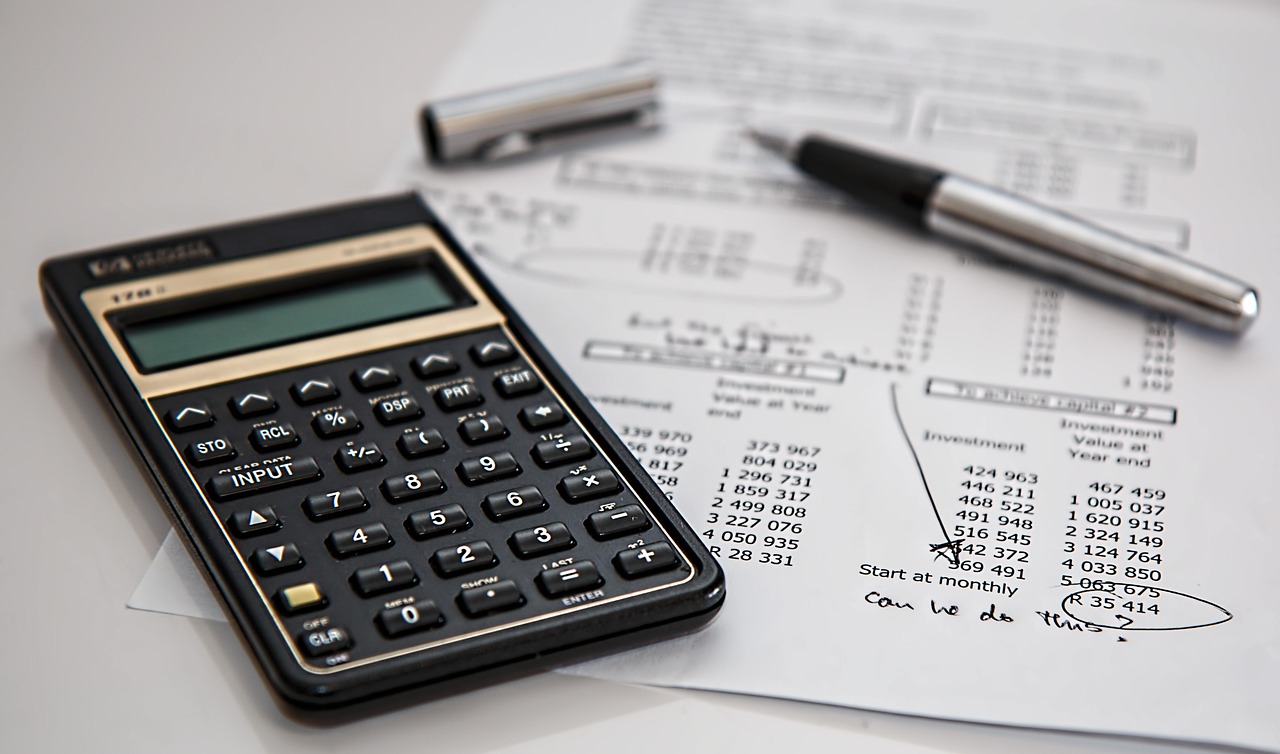
Only non-CAS calculators are approved for the digital SAT. Bring your own handheld calculator, or use the Desmos calculator built into Bluebook. Any personal calculator has to be battery-operated and handheld, with no power cord, and any algebra or function-solving programs stored on it have to be removed before test day. Phone calculator apps, tablets, laptops outside of approved accommodations, pen-input devices, and paper-tape calculators are not permitted.
Calculators work only during the Math modules. During Reading and Writing, your calculator stays under the desk. Decide before test day whether you will use your own handheld or the built-in Desmos tool, since switching mid-module wastes time.
Other Allowed Items
A short list of extra items is allowed at the test center.
- Pencils or pens for scratch work
- A watch with no audible alarm
- A backup testing device
- An external mouse, mousepad, or keyboard for tablet users
- A bag or backpack
- A drink or snack for the break
A phone is allowed inside the test center, though you have to turn it in to the proctor or store it away per the test center process for the full testing period, including the break. Centers differ in how they collect phones, so follow the proctor's instructions at check-in. Expect no phone access from the moment you check in until you finish, and warn anyone waiting on a message from you. Being seen with a phone at any point, including during the break, risks dismissal and score cancellation.
What You Cannot Bring
A short list of items stays banned from the testing room for the full test, including the break. The list splits into two groups: electronics and reference or drawing materials. Using a prohibited device, or letting one make noise, risks immediate dismissal, score cancellation, and confiscation of the device. Leave these items at home, or hand them over at check-in per your test center's process.
Prohibited Electronics
Prohibited devices include phones once testing starts, smartwatches, fitness trackers, smart glasses and other wearables, audio players, and Bluetooth devices such as wireless earbuds or headphones. Simple digital watches without smart features, and analog watches, stay allowed. Using or triggering noise from a prohibited device puts you at risk of dismissal and score cancellation.
Other Prohibited Items
Notes, books, papers, and reference materials are not allowed, with the exception of approved English Language Learner support used in-school. Compasses, rulers, protractors, and cutting devices are also banned. Bring nothing to read or reference into the room, and leave study materials in your bag.
Check-In and Start Time
Test centers run on a tight morning schedule, and arriving late risks losing your seat. Check-in, ID verification, and device setup all happen before any testing starts. The times printed on your admission ticket govern your center, so treat them as the schedule. Add extra travel time for parking and for finding the right room.
Sample Check-In Schedule
Times vary by test center, so check your admission ticket for the exact schedule. A typical morning looks like this.
| Time | Event |
|---|---|
| 7:15 a.m. | Students using a loaner device arrive |
| 7:45 a.m. | All students check in at the test center |
| 8:00 a.m. | Doors close, unless your admission ticket states otherwise |
Your individual admission ticket governs the exact times for your test center. Confirm your details in the registration guide before test day. Read the ticket a few days out so the arrival time and the center address are settled well before the morning.
Getting a Start Code
After check-in, proctors hand out a start code, and testing typically begins around 8:15 to 8:30 a.m. Enter the code into Bluebook to start your test. For app setup and troubleshooting, see our Bluebook guide.
Test Structure and the Section Break
The digital SAT runs 2 hours and 14 minutes, split into two sections and four timed modules. Reading and Writing comes first with two modules, then Math with two more. The two modules inside a section run back to back, with no break between them. A single 10-minute break sits between the two sections.
Modules and Timing
Each section splits into two back-to-back modules.
| Section | Module | Time | Questions |
|---|---|---|---|
| Reading and Writing | Module 1 | 32 minutes | 27 |
| Reading and Writing | Module 2 | 32 minutes | 27 |
| Math | Module 1 | 35 minutes | 22 |
| Math | Module 2 | 35 minutes | 22 |
Reading and Writing totals 54 questions, and Math totals 44, for 98 questions across the full test. Once you advance past a module, you are not allowed to return to it. Answer everything inside a module before its timer ends, because the module locks the moment you move on.
The One Break
One 10-minute break falls after Reading and Writing Module 2, before Math Module 1 starts. No break separates Module 1 from Module 2 inside the same section. During the break, devices stay open per the proctor's process at your test center, and re-entry to the room requires ID re-verification. Phones, notes, and other resources stay off-limits during the break, the same as during testing.
Adaptive Difficulty in Module 2
Module 2 of each section adjusts in difficulty based on your Module 1 performance, a design College Board calls multistage adaptive testing. A stronger Module 1 routes you to a harder Module 2, and vice versa. Treat Module 1 as the part of each section where accuracy matters most.
If you test with approved accommodations, your finish time shifts. A sample schedule puts standard-time test takers finishing around 10:45 to 11 a.m., time-and-a-half test takers around noon to 12:15 p.m., and double-time test takers around 1 to 1:15 p.m. Actual times follow your admission ticket. Read our accommodations guide for how to apply and what changes on test day.
Practice the Full Timed Format
The best way to build stamina for a 2-hour-and-14-minute test is to sit through one before test day. Our SAT practice tests replicate the four-module structure and per-module timing, free and with no signup required, so pacing and the break routine feel familiar when you sit down at the real test center. Run at least one full timed test end to end, including the 10-minute break between the two sections.
Sources
Free practice
Put this into practice with free SAT mock tests and topic drills

Written by
Muntasir Minhaz
Runs 10Exam. Still loses to the SAT timer now and then, strictly for research.
All articles by Muntasir Minhaz →Related Articles
SAT Scores for Scholarships
Your SAT score feeds one kind of scholarship money directly: automatic merit scholarships colleges award based on published score...
Aug 07, 2026
SAT Guide for International Students
The SAT costs $111 total outside the US, Puerto Rico, and the US Virgin Islands: a $68 base fee plus a $43 international fee. Some...
Aug 06, 2026
SAT Boundaries and Form, Structure and Sense
Standard English Conventions questions make up about 26 percent of the SAT Reading and Writing section, or 11 to 15 questions per...
Aug 06, 2026
SAT Rhetorical Synthesis and Transitions
Rhetorical Synthesis and Transitions sit inside the Expression of Ideas domain on the digital SAT Reading and Writing section, tog...
Aug 05, 2026
SAT Text Structure and Cross-Text Connections
Text Structure and Purpose and Cross-Text Connections are two of the three skills inside Craft and Structure, a domain worth about...
Aug 05, 2026
SAT Words in Context Strategy
Words in Context questions ask you to pick the word or phrase which fits a short passage, and they sit inside Craft and Structure,...
Aug 04, 2026