TOEFL Home Edition lets you take the TOEFL iBT test at home, monitored in real time by a live human proctor through webcam and microphone. You need a desktop or laptop with one monitor, a webcam showing your whole room, a working microphone and speaker, and a private, quiet room with a clear desk. Check-in opens as early as 15 minutes before your scheduled time and must be finished within 30 minutes of it, or your test is canceled with no refund. No breaks are allowed once testing starts, and a banned item in your room lets the proctor stop the test and cancel your score. Nearly all schools accept Home Edition scores on equal terms with test-center scores.
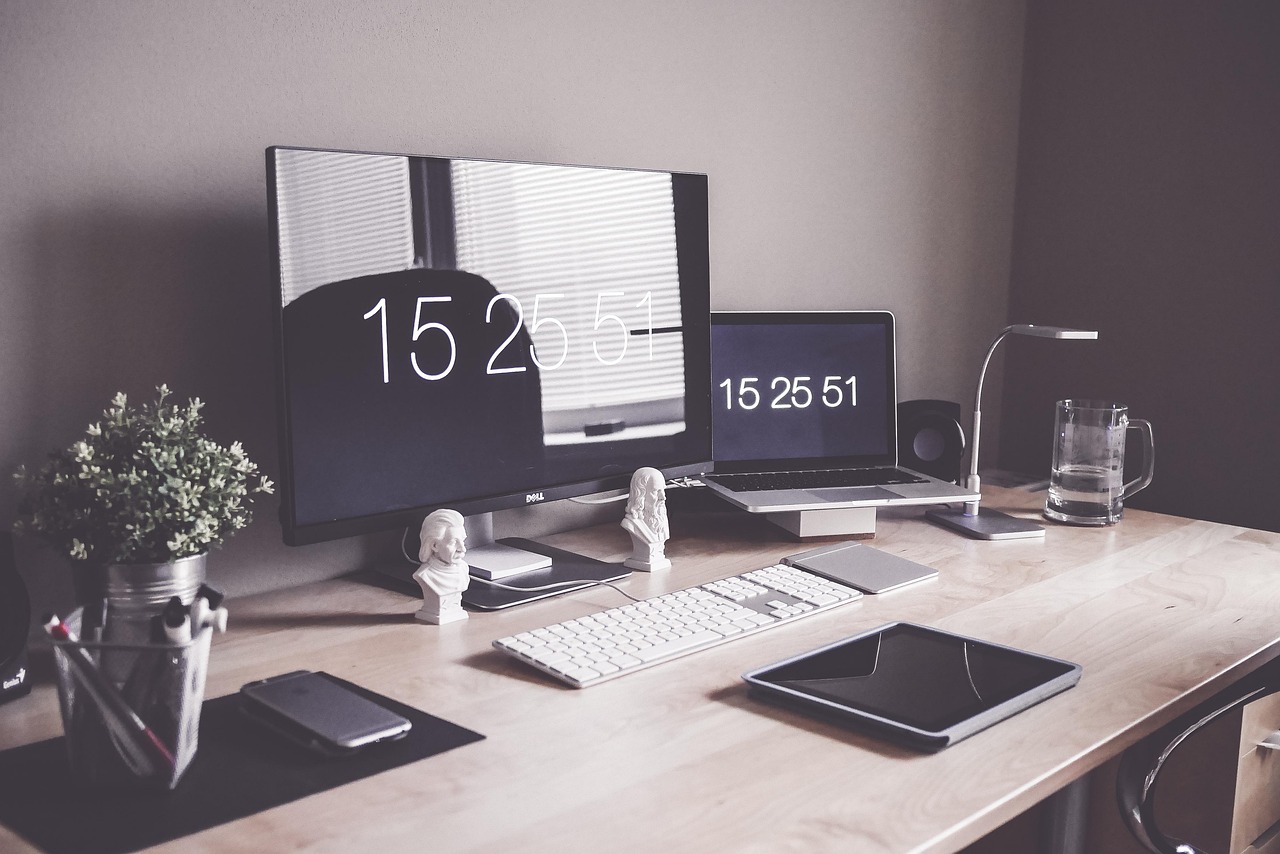
TOEFL Home Edition lets you take the TOEFL iBT test from your own home instead of visiting a test center. A live human proctor monitors you online through your webcam and microphone in real time, and runs identity and room checks before your test starts, as described by ETS. Your own desktop or laptop becomes the testing station, so ETS sets rules for the hardware, the software, and the room around it. The rules are specific: one monitor, no headset, no food or drink, and no breaks from check-in to the end of the test.
This guide covers the equipment, internet, and room setup ETS requires, how the check-in and proctoring process works, the ID rules for remote testing, and how Home Edition compares with a test center on privacy, booking, and cost. Try our free TOEFL practice tests to check your readiness before you book. Read the requirements before you book your date. A rescheduled TOEFL iBT test costs US$69, per ETS, so an equipment problem found late is an expensive one. For the sign-up steps themselves, see our TOEFL registration guide.
Computer, Internet, and Room Requirements
ETS sets fixed technical and physical rules for Home Edition. Meeting them before test day prevents delays or a canceled appointment.
Computer and Software
Home Edition runs only on a desktop or laptop computer with a single monitor and a single keyboard connected, according to the ETS at-home testing requirements. Tablets and phones are not allowed as your main testing device.
- Windows 11 or higher, or Mac OS X 10.13 or higher, running a licensed copy of the operating system.
- The TOEFL Test App downloaded ahead of time, with its Equipment Check completed before test day.
- No minimum internet speed is set: ETS asks you to run the Equipment Check several times, including on the same day of the week and at the same time of day as your test, because bandwidth varies with network usage.
Camera and Audio Setup
Your webcam, whether built in or external, must show a 360-degree view of your room to the proctor.
- A second camera is optional, such as a phone on a stand, and needs iOS 12 or higher, or Android 8 or higher, a charge, and its own stable internet connection.
- An internal or external speaker and a microphone are required. Headsets and earphones are not allowed.
Your Testing Room
ETS requires a private, well-lit, quiet room for the test.
- Doors closed, with transparent walls or windows covered.
- No test-related material on the walls.
- A standard chair only, not a bed or couch.
- A clear desk, with nothing on it apart from allowed items.
Online Proctoring Process and Rules
A live proctor watches your session from start to finish and steps in if a rule is broken, per ETS Home Edition rules and guidelines. Monitoring runs in real time through both your webcam and your microphone. Your session starts with check-in, moves through a room scan, and then runs without a break until you finish.
Check-In and Room Scan
Check-in begins as early as 15 minutes before your scheduled start time. You have up to 30 minutes after the scheduled start time to finish check-in, or your test is canceled with no refund, per the ETS TOEFL iBT Information Bulletin. The ETS test day guide lays out the sequence:
- Enter the virtual waiting room.
- Connect a second camera, if you are using one.
- Complete proctor-assisted identity verification.
- Show the proctor a live scan of all four walls, the corners, under your desk, and your workspace.
- Begin the test once the proctor confirms your setup.
For a full walkthrough of what happens after check-in, see our TOEFL test day checklist.
Prohibited Items
ETS bans a specific list of items from your testing space:
- Cell phones, unless approved as your second camera.
- Notes or other study materials.
- Headphones or headsets.
- Smartwatches, along with jewelry or watches other than a wedding ring or religious headwear.
- Face masks, food, and drink.
A secondary phone not used as a camera must stay powered off and placed behind you. Clear the desk of everything else before check-in, because the proctor inspects the workspace during the room scan.
Note-Taking Materials
Home Edition allows one small whiteboard with an erasable marker, or one blank sheet of paper inside a transparent sheet protector with an erasable marker. A regular pen or pencil is not allowed, and paper must stay inside the sheet protector for the whole test.
Breaks and Rule Violations
No breaks are permitted once your Home Edition test starts. If you need extended time or built-in breaks due to a disability, apply for TOEFL accommodations ahead of your test date. If you break a rule during the test, the proctor is allowed to intervene, and the test is allowed to be stopped with your score canceled.
ID Verification for Remote Testing
ID rules for Home Edition follow the same standard set by ETS ID requirements, adapted for a remote check. A proctor verifies your identity during check-in, before the room scan and before the test begins. The name on your ETS registration has to match the name on your ID exactly, so correct any mismatch well ahead of your test date. Keep the document in the room with you before you enter the virtual waiting room.
- A valid government-issued ID, shown as an original document, not a photocopy.
- A physical ID: a digital ID on a phone or other device is not accepted, apart from a limited exception in the Republic of Korea.
- An ID showing your name, photo, and signature.
- Your registration name, matching the name on your ID exactly.
Home Edition vs Test Center: Pros, Cons, and Privacy
Home Edition removes the trip to a test center, and it adds more scheduling options, but it exchanges this convenience for a stricter room setup and less privacy during the session itself. At a test center, staff supply the machine and the testing station, and the environment is already set up to the required standard. At home, you supply both, and the proctor inspects your private space on camera before the test begins. The points below set the trade-offs side by side.
- Home Edition offers frequent test dates and times, including weekends, against fixed test-center availability, per the ETS Home Edition vs test center comparison.
- Home Edition requires you to open your private space to the proctor: a 360-degree webcam view plus a live scan of your walls, corners, under-desk area, and workspace before the test starts.
- Home Edition permits no breaks during the test, along with a strict list of banned items and a fixed note-taking format.
- Home Edition demands specific equipment and a dedicated room, while a test center supplies the testing station.
Institutional Acceptance of Home Edition Scores
Nearly all universities and institutions accepting TOEFL iBT scores accept Home Edition scores on equal footing, per ETS guidance on Home Edition acceptance, with no distinction made between the two delivery modes. Some institutions do not list Home Edition separately on their website, simply because they already list TOEFL iBT as accepted, so confirming directly with your target school remains a sound step. Our guide to TOEFL score requirements by university tier covers target scores by school type.
ETS still lists one exception on the same page, Canada's Student Direct Stream, but IRCC closed the stream permanently on 8 November 2024, so it no longer applies to new applicants. Read the note as history rather than a live restriction on your score. For any immigration language requirement, confirm the current rules with the immigration authority itself rather than a test provider page.
Booking Home Edition vs Test Center
You book Home Edition through the same ETS account and registration flow used for a test center, choosing the delivery mode during scheduling, as covered in our TOEFL registration guide. Fees for rescheduling and late registration apply the same way to both delivery modes, per ETS TOEFL iBT test fees.
| Fee | Home Edition | Test Center |
|---|---|---|
| Base registration | Set per testing location, on the official ETS fees page | Set per testing location, on the official ETS fees page |
| Reschedule | $69 | $69 |
| Late registration, within 7 days of the test date | Additional $49 | Additional $49 |
Sources
- At Home Testing Requirements for the TOEFL iBT Test
- Home Edition Rules and Guidelines
- TOEFL Home Edition vs Test Center: Which option is best for you?
- TOEFL iBT Information Bulletin 2025-2026 Update
- TOEFL iBT Home Test Day: What to Expect
- Identification (ID) Requirements for the TOEFL iBT Test
- Who Accepts TOEFL iBT Home Edition Scores?
- TOEFL iBT Test Fees
- Study permits: Student Direct Stream (IRCC)
Free practice
Put this into practice with free TOEFL mock tests and topic drills

Written by
Muntasir Minhaz
Runs 10Exam. Still loses to the SAT timer now and then, strictly for research.
All articles by Muntasir Minhaz →Related Articles
TOEFL Score Requirements by University Selectivity
TOEFL score minimums rise with university selectivity. Highly selective universities often require 90 to 100 or higher on the old...
Aug 01, 2026
TOEFL Insert Text and Prose Summary Questions
Insert Text and Prose Summary are legacy TOEFL Reading formats, retired in the 2026 redesign. ETS's current Reading section page n...
Jul 31, 2026
TOEFL Reference and Sentence Simplification
TOEFL Reading does not name Reference or Sentence Simplification as official question types anymore. ETS lists three current Readi...
Jul 30, 2026
TOEFL Inference and Rhetorical Purpose Questions
Inference questions ask what a passage's stated facts also make true, without the passage saying so directly. Rhetorical Purpose q...
Jul 29, 2026
TOEFL Factual and Negative Factual Information
Factual Information questions ask you to find the one answer choice a passage states directly. Negative Factual Information questi...
Jul 28, 2026
TOEFL Complete the Words and Read in Daily Life
Complete the Words and Read in Daily Life are two new TOEFL Reading task types added in the January 2026 redesign. Complete the Wo...
Jul 27, 2026